
On a warm Mexico City night, long before kick-off, you feel Azteca approaching you before you ever reach its gates. This page brings together the stadium’s legacy, location, atmosphere, travel reality, local food culture, practical matchday advice and the reasons this venue still occupies a special place in World Cup history.

Estadio Azteca is one of Mexico’s designated host venues for the FIFA World Cup 2026 and one of the stadiums that gives the tournament a powerful historical centre of gravity. In an expanded 48-team World Cup, its presence is both practical and symbolic. It is a venue with scale, recognition and a football memory that stretches across generations.
Within the broader North American host map, Azteca stands apart not because it is newer or sleeker, but because it carries the feeling of football history already written into its walls. For many supporters, this is the first stadium they imagine when Mexico and the World Cup are mentioned together.

Estadio Azteca opened in 1966 and became much more than a large football ground. Over time it evolved into one of the sport’s most recognisable theatres, a place where football’s global narrative gathered force in front of vast crowds and under intense expectation.
Its status rests heavily on the two FIFA World Cup finals it has hosted and on the iconic moments attached to them. The stadium is inseparable from the mythology of great World Cup nights, from Brazil’s brilliance to Maradona’s unforgettable genius in 1986. That accumulation of memory is what makes the venue feel legendary rather than simply old.
Supporters do not visit Azteca as neutral architecture. They arrive with inherited memories, football folklore and a sense that they are stepping into a place already charged by what happened there before.

Estadio Azteca sits in the south-west of Mexico City, inside one of the world’s largest and most energetic urban environments. Matchday does not unfold here inside a carefully controlled entertainment district. It unfolds in the middle of a living city, with noise, traffic, vendors, pedestrians and unpredictability all part of the journey.
The approach matters. Metro tunnels, avenue crossings, roadside stalls, shirts in national colours and the slow-growing hum of supporter energy create the feeling that the stadium begins before the gates. The venue feels connected to street life rather than detached from it.
Mexico City’s high altitude also changes the sensory experience. The air feels thinner, the walk feels more physical and even the surrounding heat seems to settle differently. That combination of geography and urban intensity gives Azteca an identity no polished fan precinct can imitate.

In 2026, Azteca is expected to stage multiple major tournament fixtures, including group-stage football and knockout drama. In a competition of this scale, it is the sort of venue that can make any fixture feel bigger simply by hosting it.
Daytime matches bring strong light, heat and long arrival queues. Evening matches shift the energy completely. The floodlights take over, temperatures soften and the bowl becomes more theatrical. After late kick-offs, supporters spill into Mexico City’s streets, public transport and traffic corridors with the last noise of the match still hanging in the air.
The key difference here is not just the match itself. It is the scale of build-up before kick-off and the long, noisy unwinding after full-time, when the city seems to keep carrying the game forward.
Public transport carries a large share of fans into the Azteca zone, and that makes the Metro one of the most important matchday systems around the stadium. It is usually efficient in principle and intense in practice. When large waves of supporters arrive together, stations feel less like transit points and more like slow, flowing rivers of people.
Rideshares and taxis remain options, but traffic around the stadium can become deeply congested. On major matchdays, the final part of the journey often becomes the hardest part, with narrowing roads, heavy drop-off demand and long post-match exits.

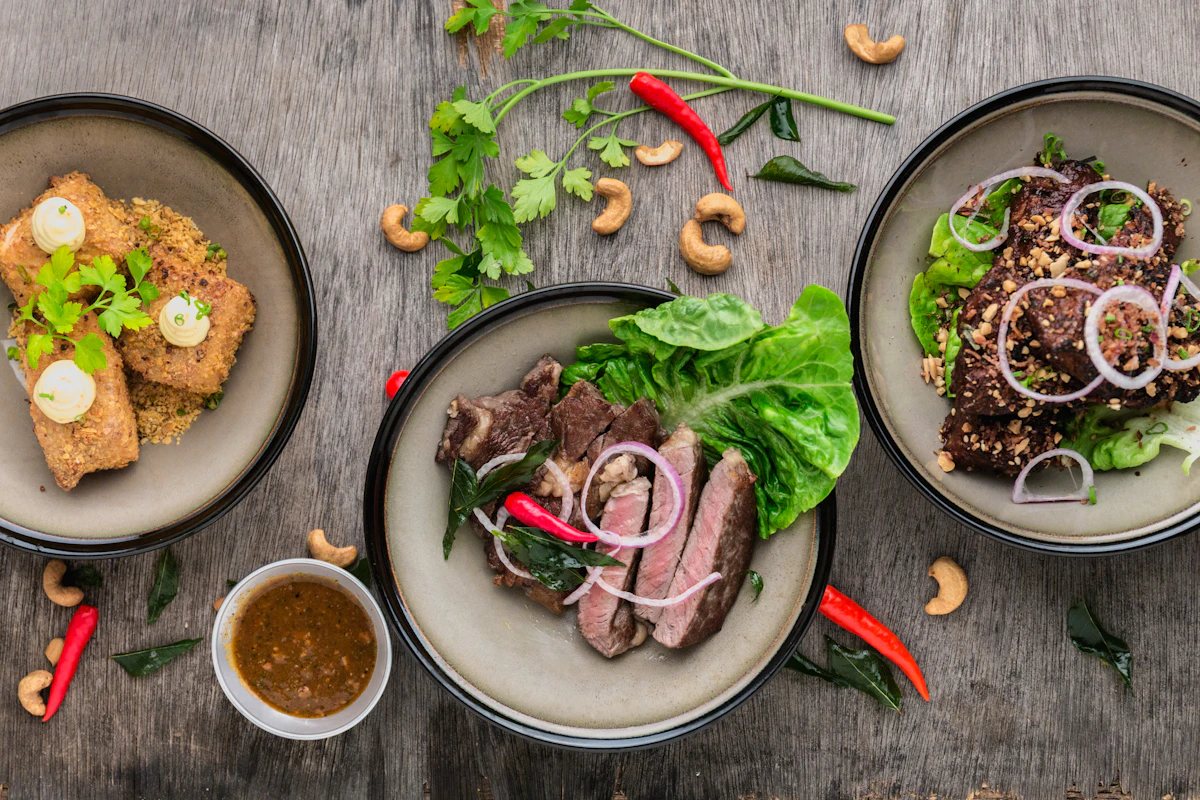
Around Azteca, food does not feel like a branded sideline. It feels like part of the stadium’s social bloodstream. The scent of tacos al pastor, grilled corn, sweet churros and fruit drinks sits right inside the supporter flow. Matchday eating here feels local first and commercial second.
Vendors, neighbourhood stalls and passing conversations all contribute to the atmosphere. This is not the kind of stadium zone where every experience feels curated. It feels lived in. The food, noise and movement all come from the city itself, which is a large part of why the place leaves such a strong impression.
Mexico City weather can shift quickly, especially in summer. Bright sunlight can dominate the afternoon before cloud build-up and rain alter the tone of the evening. At altitude, heat can also feel sharper and more draining than many travelling supporters expect.
Evening air can cool down quickly after sunset, especially if rain has moved through earlier. That makes layers, sunscreen, hydration and lightweight wet-weather preparation genuinely useful, not just optional extras.
Bring a light layer, sun protection, water and a compact rain option. Conditions here can shift from bright exposure to damp coolness faster than visitors often plan for.

World Cup security procedures are typically thorough, layered and slower than casual visitors sometimes imagine. At Azteca, where crowd size is part of the identity, entry procedures can feel especially stretched when arrival times compress close to kick-off.
The best approach is simple: reduce friction. Carry less, arrive earlier and treat the walk to your seat as part of the event rather than a last-minute rush.
Azteca’s character is best understood in contrast. Other host venues may feel newer, sleeker or more controlled, but few can match the blend of history, density, city immersion and raw football atmosphere found here.

Ultra-modern, entertainment-driven and visually spectacular. A polished venue experience built around scale, spectacle and contemporary infrastructure.

Monumental and architecturally striking, with the feel of a mega-event venue where presentation and scale shape the full experience.

Precise, streamlined and modern. It reflects a cleaner, more engineered stadium logic compared with Azteca’s layered urban intensity.
A good Azteca plan is not complicated, but it should be deliberate. Choose the right base in the city, leave enough transport buffer, stay flexible with weather and treat food, movement and crowd flow as part of the experience, not separate from it.
Central neighbourhoods such as Roma, Condesa and Polanco offer strong restaurant scenes, nightlife and a broader city experience beyond the stadium day itself.

Public transit is often efficient in principle and crowded in reality. Taxis and rideshares are available, but traffic management should be part of your timing strategy.
Eat locally, hydrate early and keep a weather layer close. Matchday comfort improves quickly when you account for sun, rain shifts and long walking stretches.
In FIFA World Cup 2026, Estadio Azteca will not simply stage football matches. It will stage memory, noise, anticipation and the heavy emotional energy that only a few venues in world sport can truly command. From the streets outside to the floodlit bowl inside, this is a stadium where football feels shared, physical and communal. On a summer night in Mexico City, that matters.